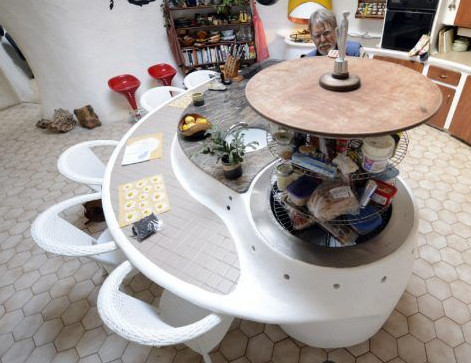
Bill was one of the greatest men that ever lived, a true force of good and positivity in my life.
His presence was like a guiding light, illuminating the path for those around him.
He taught me to embrace my individuality and to be proud of who I am.
Without his influence, I believe I would never have accomplished anything noteworthy or worthwhile.
Instead of pursuing my passions, I might have settled into a mundane existence, merely a cog in someone else's machine, going through the motions of life without truly living it.
Bill inspired me to think creatively and to challenge the status quo. He didn't just teach me to think outside the box; he encouraged me to throw away the box entirely and to explore uncharted territories.
His approach to problem-solving was revolutionary, urging me to seek innovative solutions rather than relying on conventional methods. This mindset empowered me to invent and create, fostering a sense of confidence that I had never experienced before.
The lessons I learned from Bill were not just about professional growth; they were about personal development as well.
He instilled in me the importance of resilience, integrity, and the pursuit of excellence. His influence would be one that would last the rest of my life, shaping my decisions and guiding my actions in both my personal and professional endeavors.
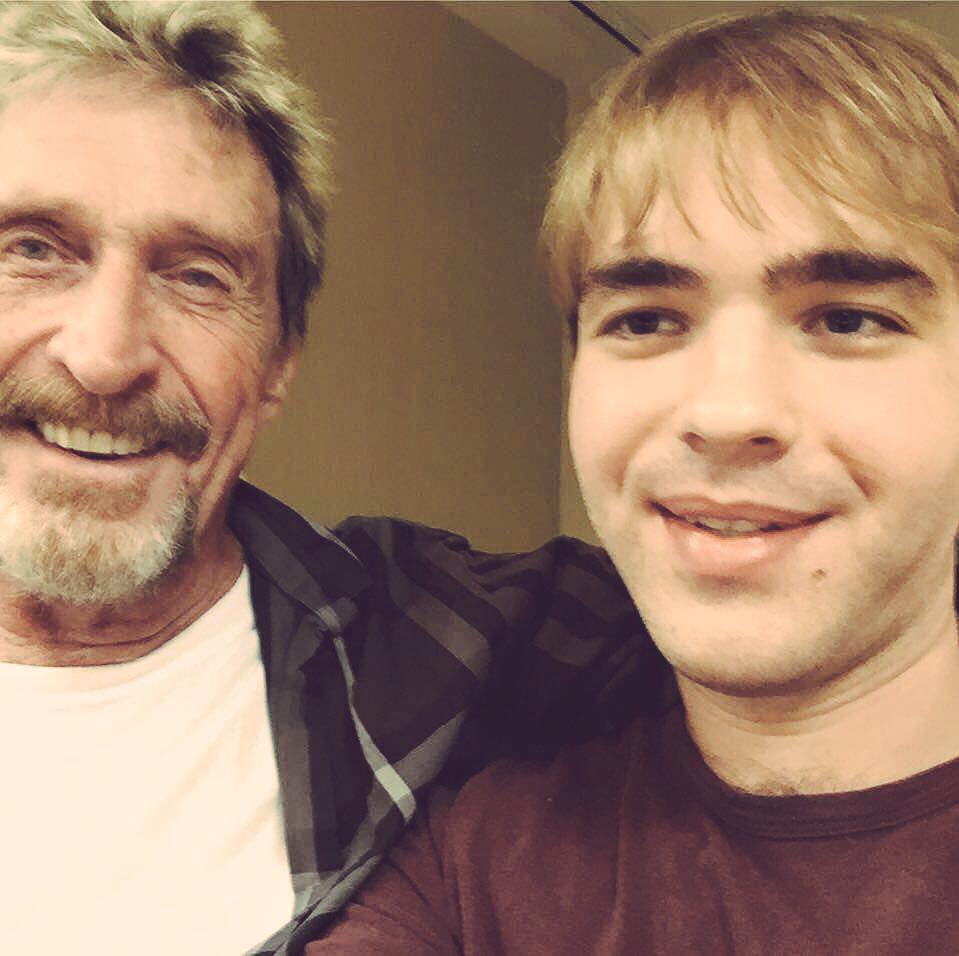
I was incredibly privileged to have him invite me to live with him and take me under his wing and teach me his ways. The time I spent with him was invaluable, filled with insightful conversations and practical lessons that I carry with me to this day. Bill's legacy lives on in the lives he touched, and I am forever grateful for the profound impact he had on mine.
John McAfee
John McAfee was the most brilliant person I ever met—provided he was sober. He possessed a rare, professional genius that allowed him to command any room with ease.
He was a member of MENSA with a reported IQ of 185; a staggering level of mental acuity that made my own score of 128 on the MENSA online test feel modest by comparison.
I loved John like a father and held him in the highest regard. Our bond was built on weekly discussions and quiet moments; I respected him so much that I even took up smoking just to share that time with him, though I eventually moved on from the habit. I truly believe that if he had been able to stay with Alcoholics Anonymous and distance himself from those who fueled his addictions, there would have been no limit to what he could have achieved.
It was heartbreaking to witness his decline beginning in the summer of 2017. As he became a fixture in the cryptocurrency world, his sobriety slipped, and I saw people take advantage of his increasingly inebriated state—using his image and reputation to further their own schemes. After he joined a Bitcoin cruise that year, his world shifted from casual evening drinks to a 24/7 struggle with substances.
While he could handle moderation, the reintroduction of hard drugs, particularly MDPV, cost him his peace of mind. The resulting paranoia was a tragic end for such a sharp intellect. It brings me profound sadness to see his story end the way it did, but I choose to remember the man who was capable of greatness.
RIP John McAfee.
Fun Cool Projects
Wi-Fi Device Tracking – E-Tagged (2015)
This was a proof of concept unit made in a weekend over beers with my business partner out of a previous project.
It was for tracking 802.11 devices associated (Connected to wifi networks) and unassociated (wifi enabled on but not connected to anything).
Initially built in a more limited form in 2012 out of Ubiquiti equipment but ran into issues with not having enough ram or flash.
Please ignore the dreadful attempt at database structure, as well as the bug we accidentally added in that build that made everything show up as unassociated.
Later versions had a complete web portal, proper database structure, google maps integration, promiscuous bluetooth and discoverable bluetooth, as well as tracking access-points after we started noticing more cars with in-car wifi built in.
I also made a version in 2019 that could also track tire pressure monitoring sensors' unique 16-bit ID numbers, associating all metrics it discovered together.
When paired with a camera you could build a pretty expensive inventory of metrics to track people or cars.
Sentinel (2016–2020)
Sentinel was a sophisticated honeypot system designed to detect intruders within corporate networks, alerting administrators to unauthorized probing and identifying attacking devices. Originally a project initiated by John McAfee at MGT Capital Investments, it was acquired from Cyberdonix on March 3, 2017. The codebase was significantly outdated at the time of acquisition and required a complete modernization to remain viable.
Just prior to the scheduled launch, critical security flaws were discovered in the original implementation. John McAfee personally stepped in, demanding a total rewrite to ensure the product met his security standards. Renowned security researcher Chris Roberts was brought on board to assist with this overhaul. The project was entirely re-engineered with substantial improvements, including mandated access controls, a multi-user embedded system architecture, and the integration of modOWASP for all web server traffic, followed by extensive third-party security auditing.
While the project eventually launched, operational stability was undermined by John’s personal struggles. His absence from key financing meetings and his high-profile involvement with volatile cryptocurrency ventures made the project an increasingly high-risk endeavor for the parent company.
With the board of directors concerned over the state of affairs, a deal was reached to spin off the project to the development team and select management. However, the new leadership immediately moved the infrastructure and changed the domain, which broke service for all existing customers and forced the team to essentially start over. We advocated for abandoning the hardware-only model in favor of a software-as-a-service approach, similar to the 3CX business model, but these suggestions were not adopted.
The financial burden of the project eventually fell entirely on my company, including the salaries of three full-time developers dedicated to maintaining the codebase and integrating security updates. In 2020, our promised equity was unilaterally halved during a phone call. When we requested documentation to verify our original agreements, we were met with threats of litigation shortly before the venture dissolved.
Following the rebrand to IDScyber under new management, the product failed to move a single unit. What began as a promising security innovation ultimately proved to be a significant drain on time and resources for everyone involved.
Fun Cool Projects (continued)
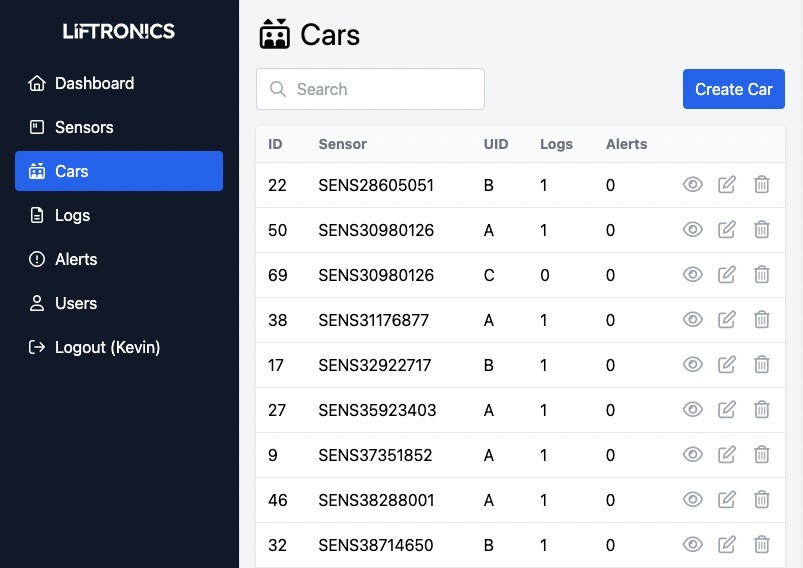
Elevator Monitoring System – Liftronics (2022)
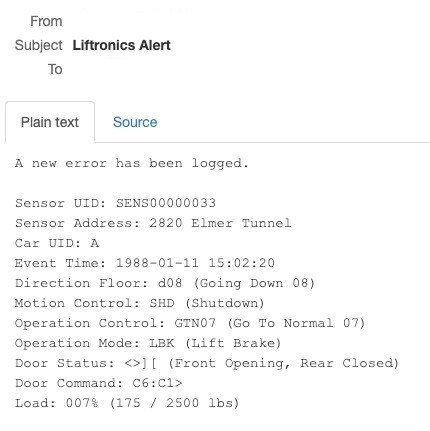
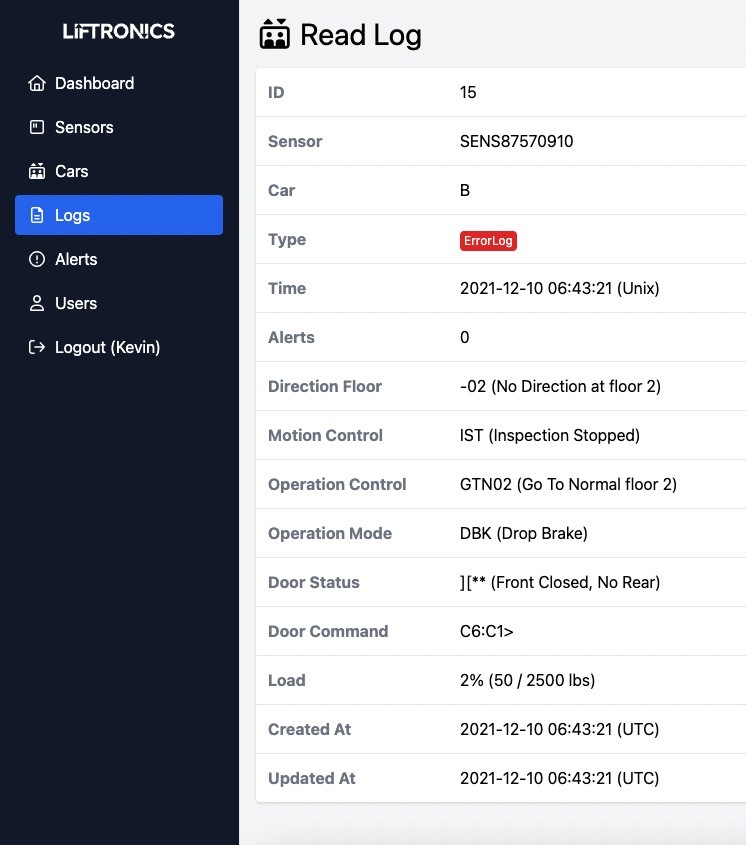
An elevator service company approached us for a solution to monitor elevators remotely and determine fault codes before they caused service interruptions.
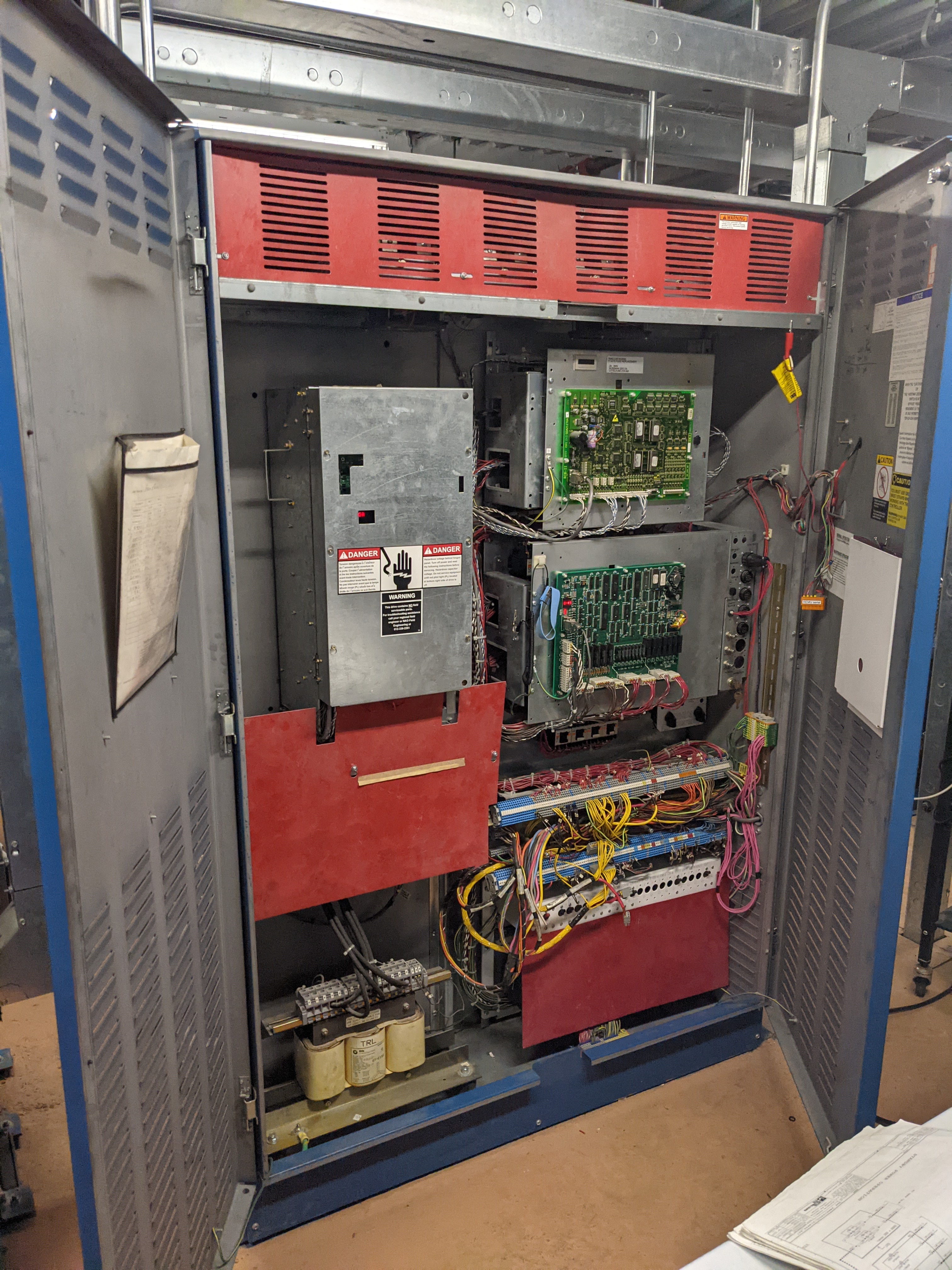
Starting with the Otis elevator controller, we developed a drop-in replacement for the obsolete Otis REM system, which previously let technicians check elevator status via telephone using DTMF keypad tones.
This new system featured a cloud-based web interface and the ability to remotely identify faults before the elevator tripped a fault and potentially entrapped someone.
This enabled preventative maintenance to be performed before elevators went out of service.
If a serious fault occurred, a technician could track the fault code remotely, ensuring the correct replacement parts were on the van before departing, allowing the technician to quickly fix the issue.
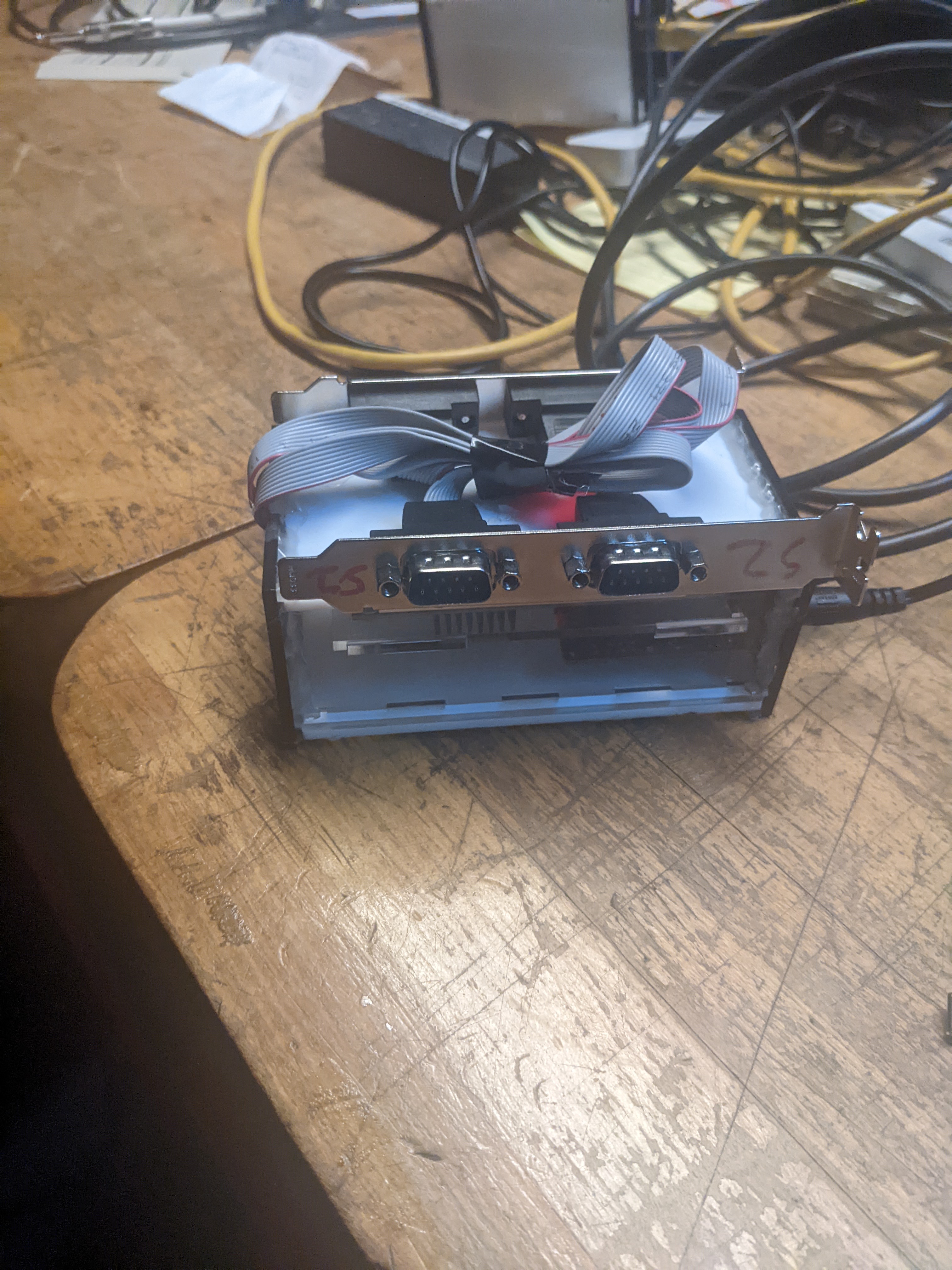
The system utilized a Freescale i.MX6 embedded system, with one unit capable of monitoring four separate elevator cars/controllers.
Communication was facilitated via a custom adapter board that converted RS232 to Otis's variant of RS422.
Click images to view full size.
Professional Experience
2018-2024 — Legendary I.T. Solutions I.N.C.
I provided both remote and onsite technical services for local businesses, including small enterprises, manufacturing clients, and smaller ISPs.
My expertise encompasses a wide range of networking and IT solutions, utilizing Cisco IOS for routers, switches, and access points, such as Cisco Catalyst and Nexus switches, as well as Cisco ASR routers tailored for ISP clients.
I have hands-on experience with Ubiquiti Networks and Cambium technologies to establish reliable point-to-point links and Wi-Fi access points, ensuring robust connectivity in various environments.
Additionally, I implemented pfSense for firewall solutions, enhancing network security and management capabilities.
For scripting and automation, I leverage Python, C language, and Go, allowing me to develop efficient scripts and applications that streamline processes and improve operational efficiency.
My experience also includes managing phone systems using 3CX, paired with Cisco or Avaya J series phones, to provide comprehensive communication solutions for clients.
In larger client environments, I deployed Windows Server in domain settings, integrating it seamlessly with Windows workstations to create a cohesive IT infrastructure.
I also managed Linux workstations and servers, providing essential services such as HTTP, DNS, RADIUS, syslog, and SNMP, which are critical for maintaining network functionality and monitoring.
For smaller clients in workgroup environments, I utilized Windows 10 servers, ensuring that their IT needs were met with appropriate solutions.
I have a strong focus on network segmentation, employing VLANs and firewall rules to isolate specific groups of devices that should not communicate with each other.
This approach, which implements out-of-band management now referred to as "zero trust," significantly enhances security by limiting a hacker's ability to impact the entire network without first compromising the IT staff's workstations.
In addition to my networking and systems administration skills, I have developed custom software for several businesses, including a specialized system for monitoring elevators, showcasing my ability to tailor solutions to meet unique client needs.
My technical skills are complemented by a strong problem-solving mindset and a commitment to continuous learning, allowing me to stay current with industry trends and technologies.
2010-2017 — Ontario High Speed Inc
Office in Oshawa, Ontario
ISP Side
Founded with the intention of doing things better, we started with 4x 25/10 VDSL2 lines from Bell Canada, leasing address spacing from the upstream provider.
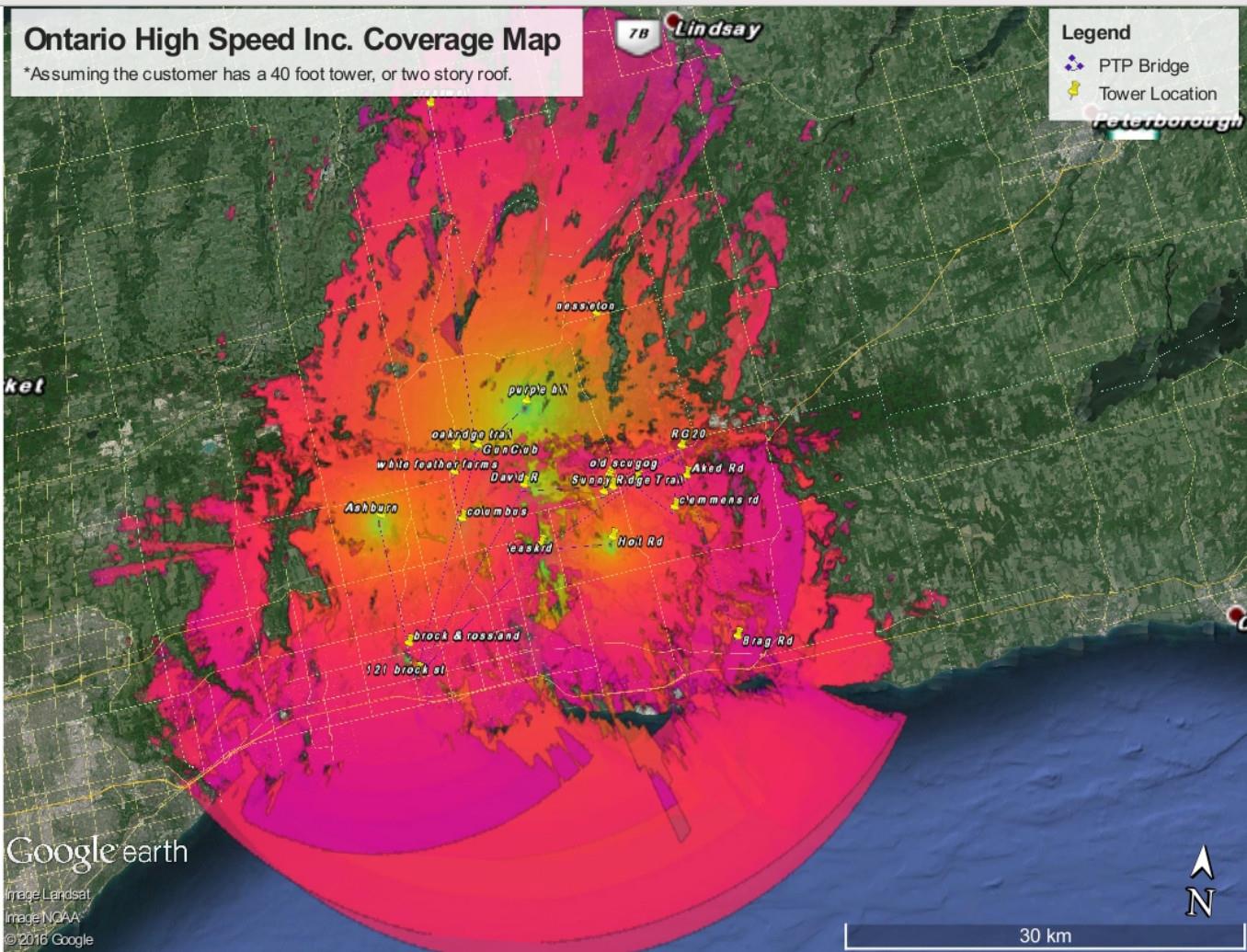
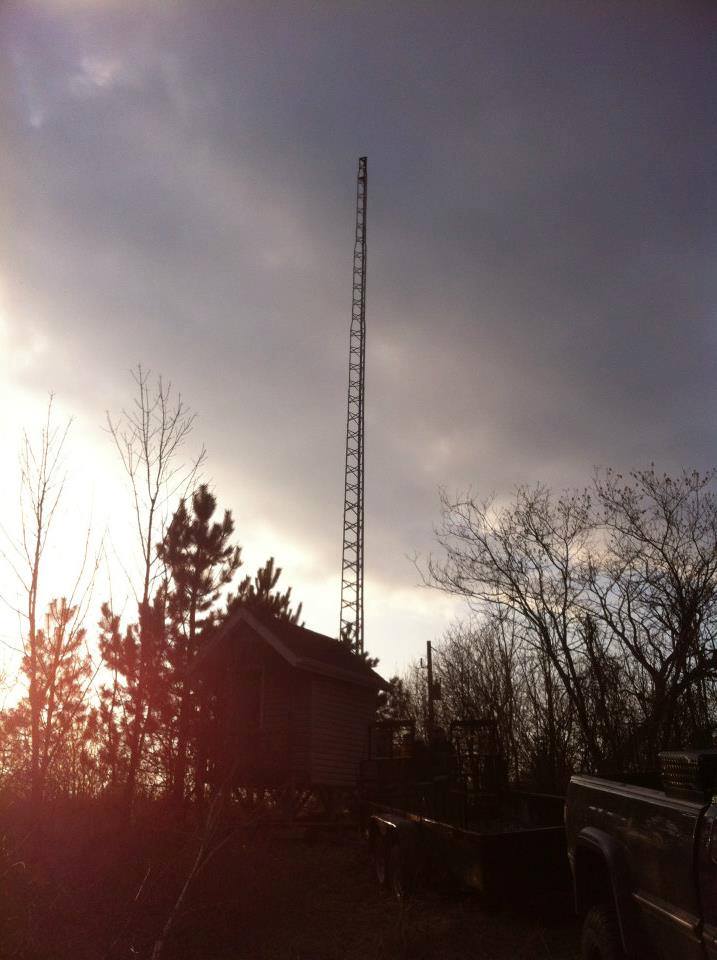
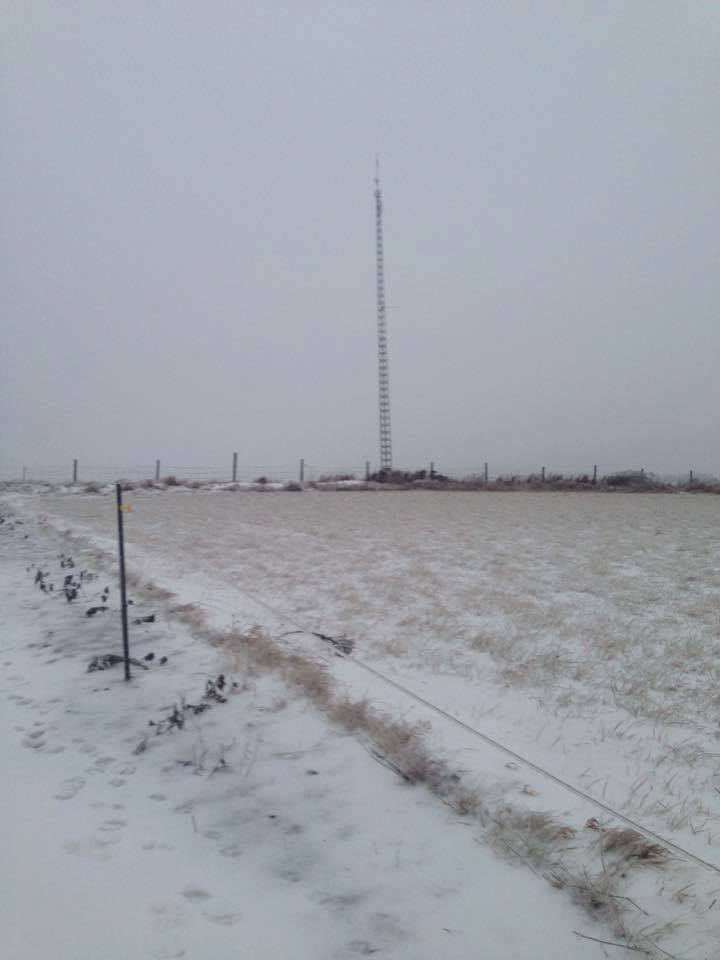
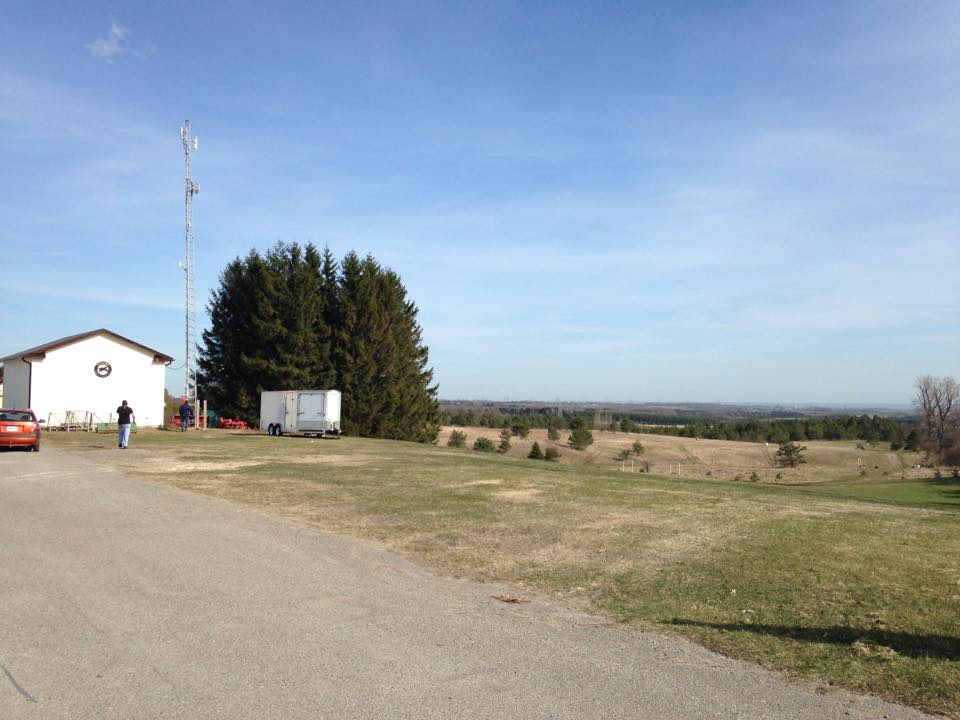
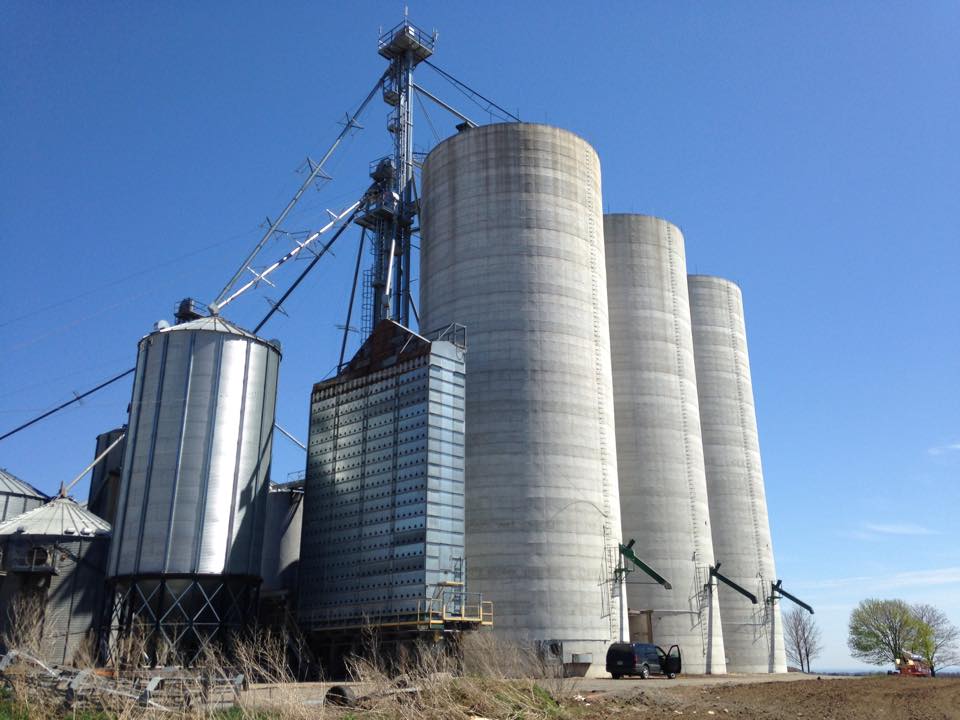
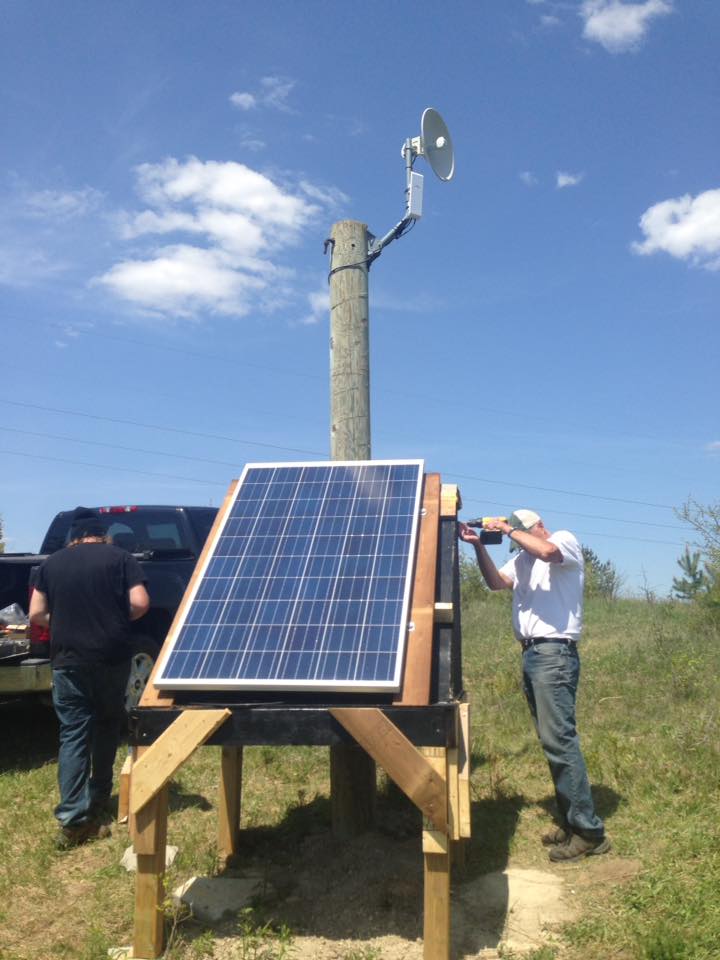
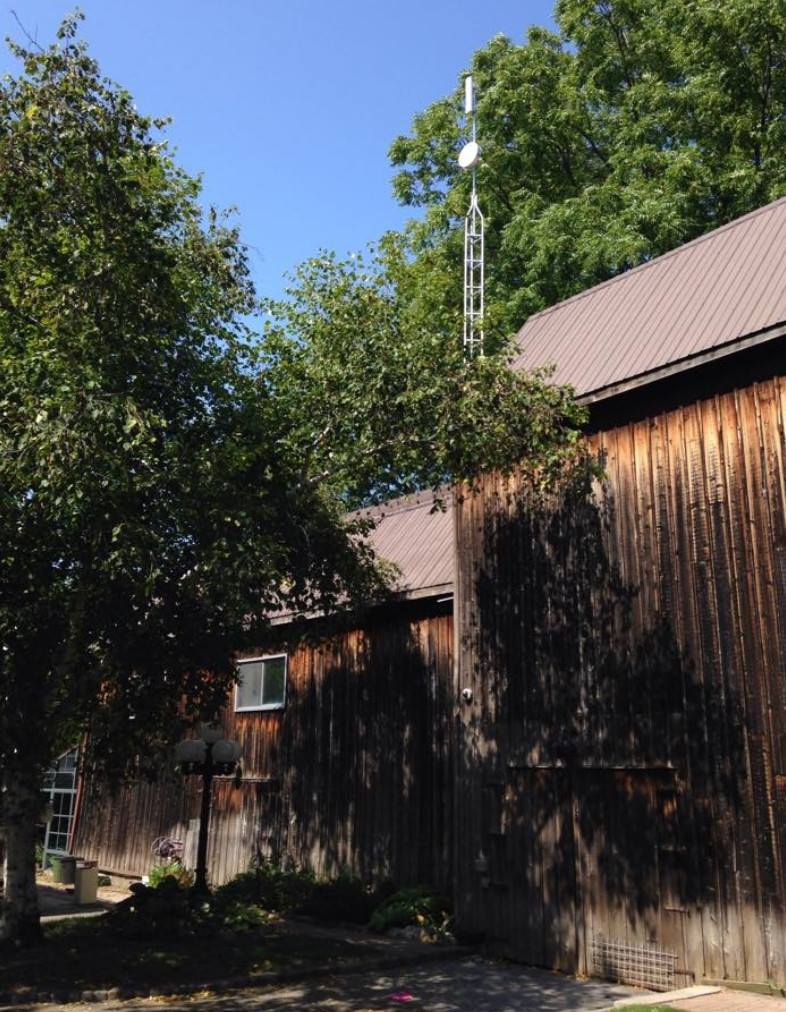
Initially, we built out eight or so towers before taking on customers or advertising, utilizing a combination of existing structures such as silos and grain elevators, as well as constructing self-supporting towers and television towers. Drawing from my experience with another provider, I ensured that clients were only installed with perfect line of sight on 5 GHz, near perfect on 2.4 GHz, and non-line of sight limited to 900 MHz with short links only (under 2 KM). I also aimed to limit point-to-multipoint clients to 15 KM to maintain very strong signal levels. All clients on the service experienced signal levels between -47 dBm and -66 dBm, effectively achieving full bar signal levels akin to Wi-Fi.
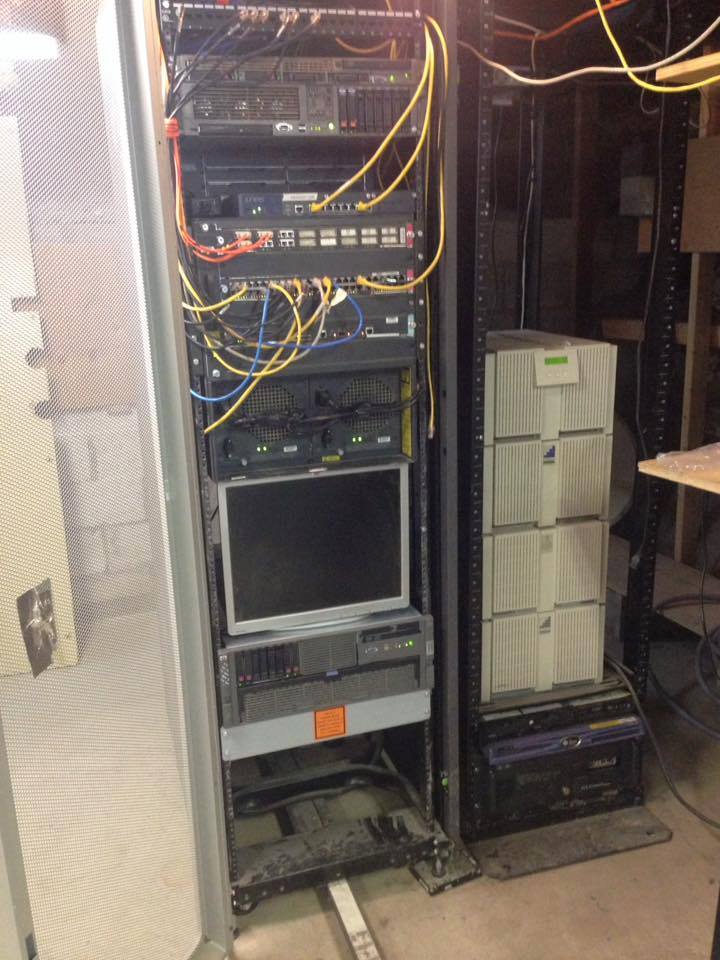
To ensure scalability in the core network, I opted for a Cisco Catalyst 6500 with Supervisor 720 3B as my core router, enabling up to 40 gigabit ports on line cards for future expansion. Additionally, I utilized Cisco VXR 7206 NPE G2 based routers for terminating PPPoE sessions for clients, capable of handling around 1.5 gigabits per second of Layer 2 PPPoE traffic, with the option to add more capacity by simply adding more to the rack.
All clients had a virtual Layer 2 tunnel from our core network to their premises, allowing them to move while retaining the same IP address. We could also route subnets directly to their PPPoE session for customers needing additional address space, often providing an extra /29 or /28 subnet at their request in addition to their single /32 address. This setup enabled us to track data usage within a billing period and identify which public address belonged to which customer at any given time.
We offered 5/0.5 or 6/1 megabit connections for regular consumers, with custom packages upwards of 250/100 available for businesses. We quickly migrated to a gigabit fiber optic internet connection through Bell Canada, peaking at 1536 public addresses with over 1000 active subscribers, as well as a 100/50 up package for the main building housing our data center and some surrounding businesses.
Our operations spanned multiple frequency bands, including 900 MHz, 2.4 GHz, 3.65 GHz (licensed by Industry Canada), 5 GHz, 24 GHz, and 60 GHz. We utilized Atheros 9K based Ubiquiti AirMax equipment, 60 GHz Metrolink 802.11AD prototype PTMP equipment around our main tower, as well as Cambium equipment, Ubiquiti AirFiber, and Cambium PTP650 series point-to-point links. Our infrastructure included BGP, MPLS, static routes, OSPF, EIGRP, DNS servers, RADIUS servers, web servers, SNMP, and more, all run off virtual machines on our Linux Debian hypervisor.
We provided rural broadband to the rural areas of the Durham region, building towers, installing equipment, and constructing our own data center. The Cisco VXR 7206 NPE was used to terminate PPPoE sessions, while the Catalyst 6500 SUP720 served as the Layer 3 core router/core switch. Smaller sites were equipped with Cisco 3550 or 3750 switches and Cisco ISR routers for PPPoE termination. We implemented centralized syslog and SNMP monitoring, with a pfSense firewall ensuring that all management planes, access/data planes, and IP services planes were separated according to NSA and Cisco guidelines. Networks were segmented with 802.1Q (VLANs), forcing all subscriber traffic over a PPPoE tunnel to a central location, blocked via firewall rules and access control lists from reaching other networks. We adopted a whitelist-only approach for firewalls and eventually sold our customer base to Vianet. I scripted and automated most aspects of my job, implementing automated security report emails, while also handling customer billing and providing technical support. Additionally, I managed the installation teams. Data Plane/Access plane where customers were was entirely isolated from the various managment planes and network service planes. Managment to equipment could only be done via our managment VPN.
Consulting Side
Consulted with a number of clients and businesses, including those in the manufacturing industry as well as companies that had our services.
Eventually ended up working for John McAfee's MGT in Durham North Carolina working on Sentinel project.
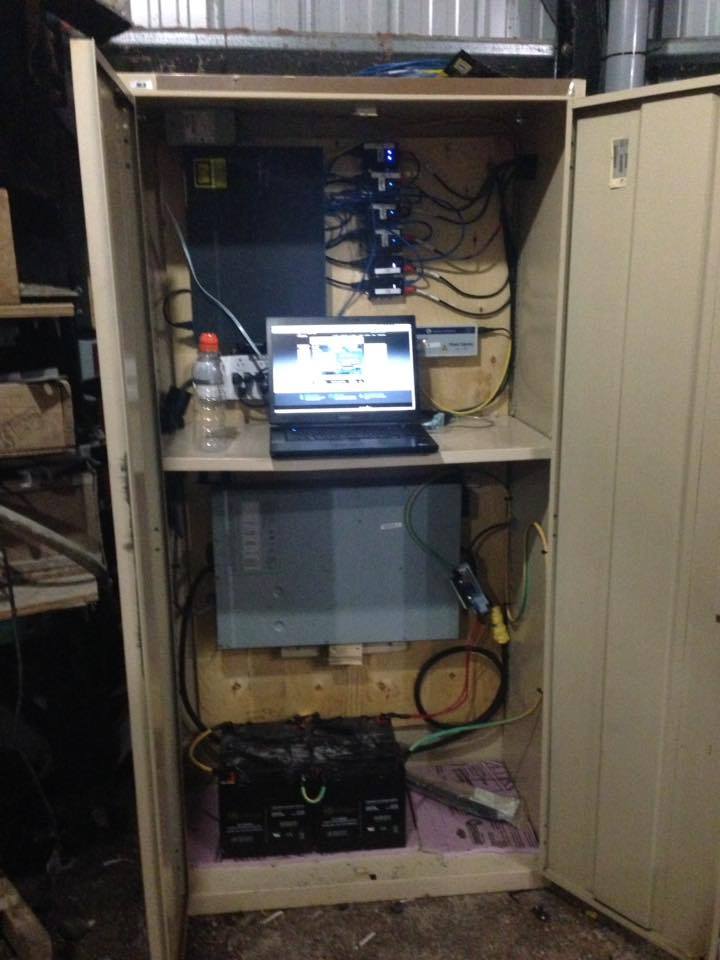
I worked on the Sentinel Project, a sophisticated system designed to detect hackers through a network of honeypots that simulated outdated and unpatched systems.
Additionally, I contributed to an unreleased device that tracked Wi-Fi and Bluetooth devices while functioning as a Wireless Intrusion Detection System.
When a honeypot was triggered, the administrator received an immediate notification along with a sample of any data the intruder attempted to inject or execute, including any usernames and passwords they may have tried.
My work involved the Freescale i.MX6 ARM system, for which I customized the system board to meet our business needs, utilizing automotive-grade components and excluding unnecessary parts.
I employed a Debian Linux fork created using Debian bootstrap and wrote a userspace driver to reboot unsupported systems based on the manufacturer's documentation.
I maintained various network equipment, including a Cisco Catalyst 3750X switch, a pfSense firewall, Ubiquiti UniFi access points, and a local Hyper-V server running multiple Debian virtual machines.
I was responsible for writing most of the Python, shell scripts, and C++ programs that comprised the product.
To enhance sensor security, I implemented additional measures such as chroot jails and AppArmor with custom profiles.
The Sentinel Server was equipped with a hypervisor and virtual machines, and the system was automatically backed up to another server on a periodic basis.
For the Sentinel Server, I utilized Hyper-V as the main hypervisor on Windows Server 2016, setting up, configuring, and managing a server that ran Linux with Apache, MySQL/MariaDB, and PHP.
I integrated the OWASP Apache module to ensure the server would drop suspected web attacks and log alerts accordingly.
AppArmor with custom profiles was employed to restrict web server and other services to whitelisted permissions.
I also segmented the office network, implementing out-of-band management (now referred to as zero trust) and denying access between VLANs for enhanced security.
Development PCs were locked down with AppArmor to ensure per-process isolation.
Additionally, I managed two other programmers, ensuring their time was used effectely.
Demo video in previous section on "Sentinel"
Click images to view full size.
2009–2010 — Silonet.ca
Initially brought on as a consultant to identify individuals infected with viruses who were sending spam emails via SMTP, I was quickly offered a full-time position to enhance the network infrastructure.
The network utilized high-powered 802.11B/G Wi-Fi with directional antennas, providing service to users located up to 20 km from the transmission site, employing 2.4 GHz Atheros 5K series Wi-Fi cards for point-to-multipoint connections and 5 GHz for point-to-point links between towers.
At the outset, the network had minimal security, relying solely on MAC address filtering. I implemented WPA2 security and migrated the network to 802.11G, utilizing 10 MHz wide narrow channels.
Additionally, I developed a custom fork of OpenWRT to support Multilink PPP, allowing the integration of multiple physical ADSL lines into a single virtual Layer 3 bundle via PPPoE, which combined 16 ADSL lines for a total connection speed of 96 Mbps down and 16 Mbps up.
I also secured public IP addressing from the upstream provider, enabling each subscriber to have their own unique address.
To resolve vendor interoperability issues with the wireless equipment, I created custom access points based on the Gateworks Avila platform.
Ultimately, I left the company to pursue my own venture, driven by a desire to establish a larger and more scalable operation.
2006–2009 — BestByte Computers
Service Manager
Also repaired PC's
Provided phone support
Invoiced all service orders
Ensured maintaining chain of custody on service workbooks
Authorized returns too
2004–2006 — Canampak Computers
Computer technician and sales
Assisted in daily operations
customer service, and diagnosing system issues.
2003–2004 — Global Electronics Systems (GES)
First job: computer technician and sales.
Occasionally opened the store and assisted in all operational tasks.
My Patents
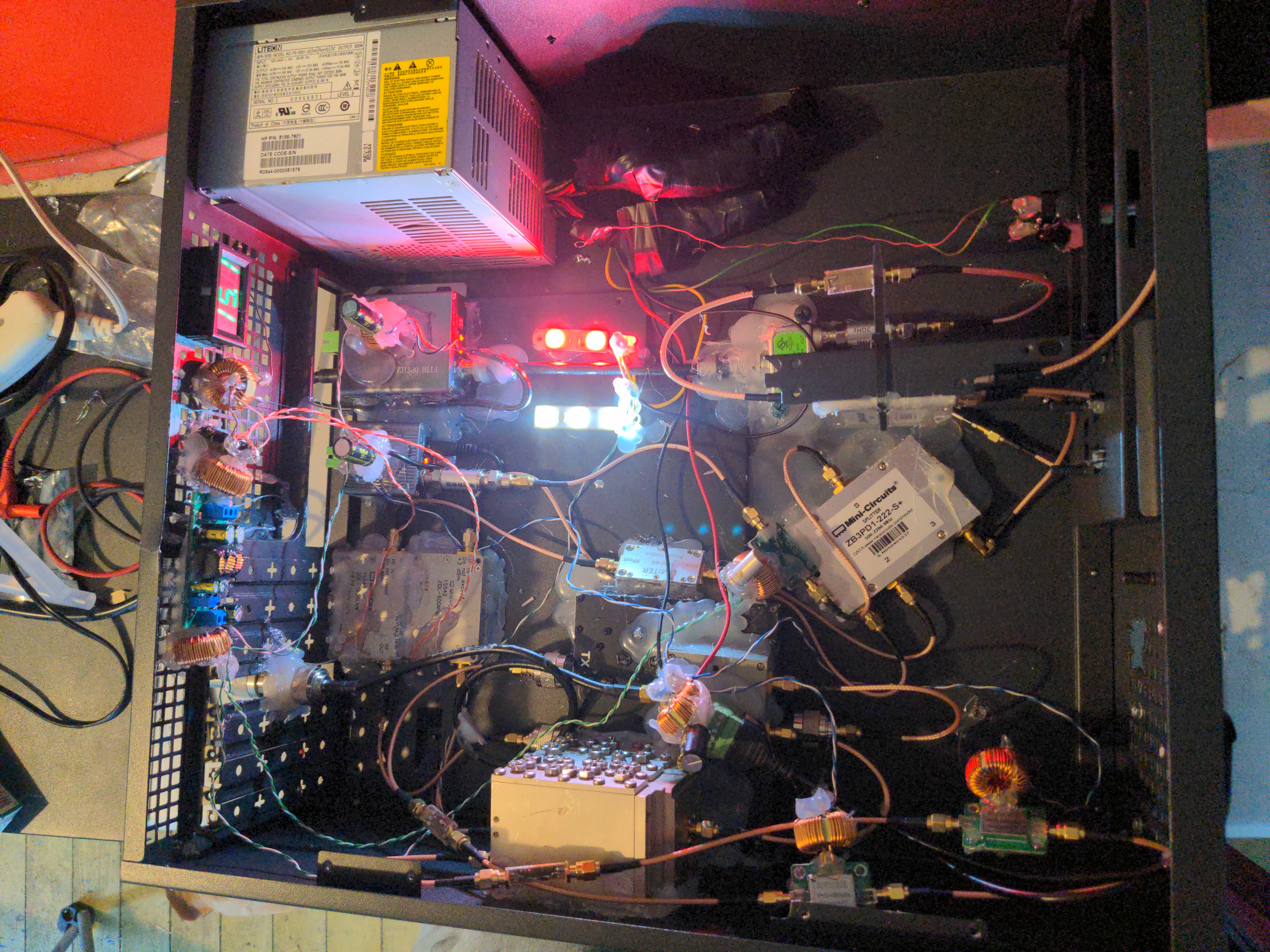
Patent Application Number 18229382 — Multi-Endpoint Radio Spectrum Redistributor for various services.
System for taking cell phone service, FM radio, UHF/VHF television, public safety radio (police/fire/EMS) radio coverage from one area to another over fiber optic cables.
My GitHub
Sometimes I make open-source projects and post them here; not all are complete.
Most of what I do is proprietary and closed source.